What to Expect During an Asphalt Blacktopping Project
People seeking asphalt blacktopping often want a smooth, durable surface, and local contractors can handle preparation, application, and finishing to meet those expectations.
Understanding what to expect during an asphalt blacktopping project can help property owners feel more prepared and confident as they plan for this type of upgrade. Whether enhancing a driveway, parking lot, or other paved areas, knowing the typical steps involved and potential considerations can make the process smoother. Local contractors specializing in asphalt blacktopping are experienced in guiding property owners through each phase, from preparation to final surfacing, ensuring the work aligns with the specific needs of the property.
Exploring this topic is especially practical for those looking to improve curb appeal, increase safety, or extend the lifespan of existing pavement. By learning about the typical stages and what’s involved, property owners can better coordinate with service providers who offer asphalt blacktopping services tailored to local conditions. Keep reading to gain a clearer picture of what happens during an asphalt blacktopping project and how local experts can help achieve durable, professional results.
- Asphalt driveway installation - homeowners planning to replace or install a new driveway can rely on local contractors to handle the preparation and blacktopping process efficiently.
- Pothole and crack repair - property owners needing to address existing surface damage can expect local pros to assess and prepare the area before blacktopping.
- Parking lot resurfacing - business owners looking to update or maintain parking areas can find local service providers experienced in blacktopping large surfaces.
- Driveway extension or widening - those adding to existing paved areas can work with local contractors who understand proper blacktopping techniques for seamless results.
- Asphalt surface maintenance - individuals seeking ongoing upkeep can connect with local pros skilled in sealing and preserving blacktopped surfaces.

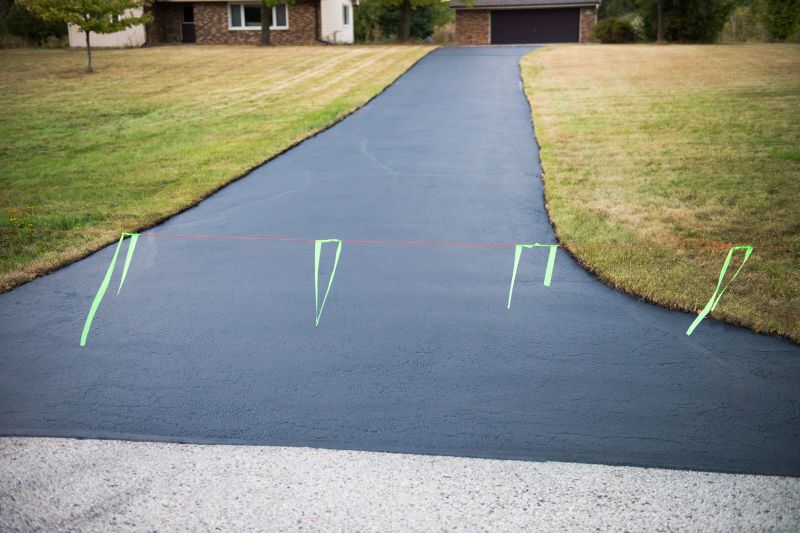

When people search for what to expect during an asphalt blacktopping project, they are often looking for a clear understanding of the process involved in resurfacing or installing a new driveway, parking lot, or other paved areas. Homeowners and property managers typically want to know how long the work will take, what steps are involved, and what kind of disruptions might occur during the project. This helps them plan accordingly and ensures they are prepared for the different phases, from preparation and removal of old pavement to the final application of the new asphalt. Understanding these details also helps property owners gauge the quality of service and make informed decisions when choosing local contractors for the job.
Asphalt blacktopping projects are usually related to improving or replacing existing paved surfaces that have become worn, cracked, or faded over time. Many property owners undertake these projects to enhance curb appeal, increase safety, or prepare a lot for future use. Common problems leading to blacktopping include pooling water, uneven surfaces, or extensive cracking that makes the area difficult to use or maintain. Planning for an asphalt blacktopping project often involves assessing the current condition of the pavement, deciding on the scope of work, and considering the long-term durability of the new surface. Local contractors are experienced in evaluating these needs and recommending the best approach to achieve a smooth, long-lasting result.
The types of properties that typically come up in discussions about asphalt blacktopping include residential driveways, commercial parking lots, and small-scale private roads. Residential properties often seek blacktopping to improve the look and functionality of their driveways, especially if existing asphalt has become cracked or faded. Commercial properties may need blacktopping for parking lots that accommodate customer or employee vehicles, requiring durable surfaces capable of handling heavy traffic. Smaller private roads or access ways on farms or estates also often require blacktopping to ensure reliable access and reduce maintenance issues. Local service providers are familiar with the specific demands of each property type and can tailor their work to meet the unique needs of each site.
During an asphalt blacktopping project, property owners can generally expect a series of stages that include site preparation, removal of old pavement if necessary, and the application of the new asphalt. The process often begins with clearing the area and grading the surface to ensure proper drainage and a stable foundation. This is followed by the laying of a base layer, which provides strength and stability, before the final layer of asphalt is applied and compacted. Throughout the project, there may be some temporary disruptions, such as restricted access or minor noise, but these are typically brief. Local contractors handle these details professionally, ensuring the project proceeds smoothly and results in a durable, attractive paved surface that meets the property’s needs.
Paving driveway installations - local contractors skilled in driveway paving share similar planning, surface preparation, and material application techniques as asphalt blacktopping projects.
Parking lot resurfacing - this type of project involves surface prep and asphalt application, requiring similar tools and scheduling considerations as asphalt blacktopping work.
Sidewalk and pathway paving - professionals experienced in creating durable walkways utilize comparable skills in surface leveling and asphalt or concrete placement.
Sports court surfacing - installing or resurfacing sports courts often involves asphalt or similar materials, demanding precise planning and surface finishing skills.
Industrial pavement repair - repairing or replacing large asphalt surfaces in industrial areas involves similar planning, site prep, and asphalt application techniques.
Sealcoating services - applying protective sealants to asphalt surfaces requires understanding of surface prep and material handling akin to blacktopping projects.
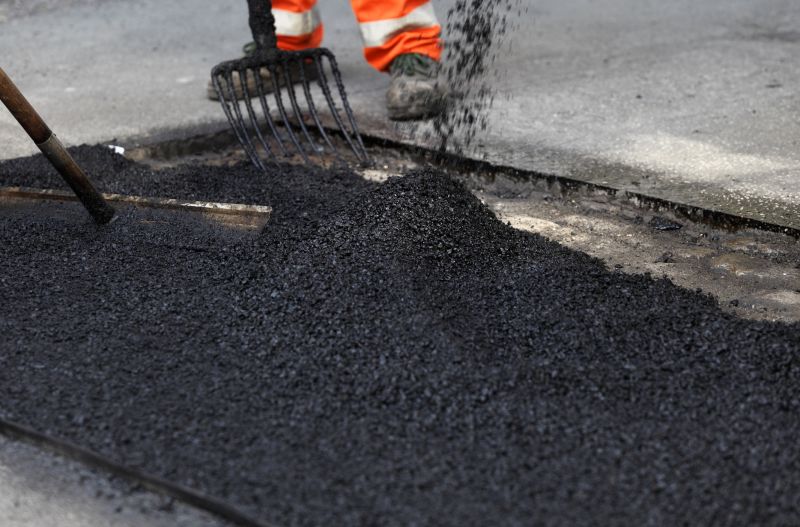
When evaluating asphalt blacktopping services, it is important for homeowners to consider the experience of local contractors with similar projects. An experienced service provider will have a track record of handling asphalt blacktopping jobs comparable in size and scope, which can provide confidence in their ability to manage the specific requirements of the job. Homeowners should inquire about the types of projects the contractor has completed and seek references or examples that demonstrate their familiarity with the process, ensuring that they understand the nuances involved in preparing the surface, applying the asphalt, and finishing the work properly.
Clear, written expectations are essential for a smooth blacktopping project. Reputable service providers will be transparent about the steps involved, the materials used, and the typical timeline, helping homeowners understand what to anticipate during the process. Having detailed documentation or a written scope of work can prevent misunderstandings and ensure that both parties are aligned on the project’s goals. Homeowners should look for contractors who communicate openly about what the project entails, including any preparatory work, potential disruptions, and the care needed after completion.
Good communication and reputable references are key indicators of a reliable asphalt blacktopping service. Homeowners should seek out service providers who are responsive to questions and provide clear, honest information throughout the process. Additionally, checking references or reviews from previous clients can offer insight into the contractor’s professionalism, reliability, and quality of work. This transparency helps ensure that the project will be managed efficiently and that expectations are realistic, making the entire experience smoother and more predictable for the homeowner.
Property owners often search for what to expect during an asphalt blacktopping project when they are planning practical projects around their homes and businesses. Local pros provide Asphalt Blacktopping services for everyday jobs and straightforward project options.
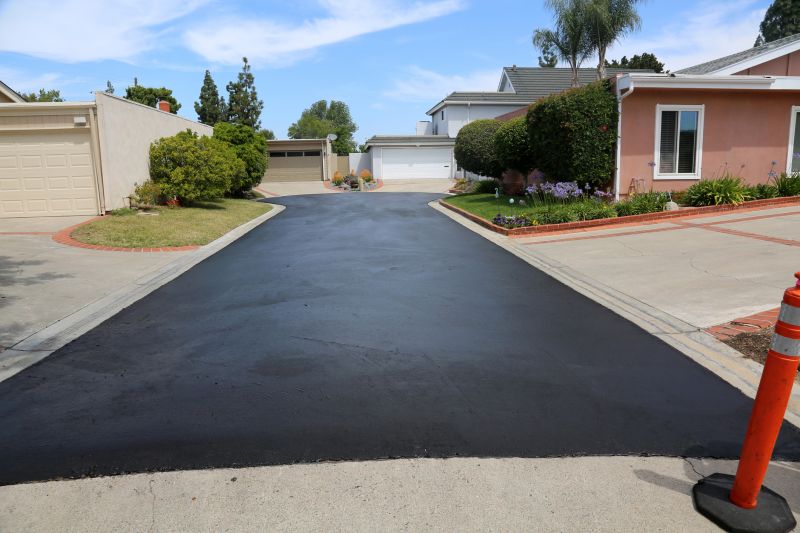
During an asphalt blacktopping project, property owners can expect some common, everyday situations that help the process run smoothly. Typically, local contractors will prepare the area by removing any existing pavement or debris, ensuring a clean surface for the new layer. During the actual blacktopping, there may be moments when traffic is temporarily restricted or when equipment is moved around the property, which is a normal part of the process. Property owners might notice some noise and dust, but these are usual occurrences that are managed by experienced service providers to minimize disruption.
Understanding what to expect during an asphalt blacktopping project can help property owners plan accordingly. It's common for contractors to work in sections, especially on larger areas, to ensure proper installation and curing. Property owners may also see the use of safety barriers or signage to keep the work zone secure. Once the blacktopping is complete, there could be a short period before the surface is fully ready for use, as it needs time to settle and cure properly. Local service providers are equipped to handle these typical project situations, making the process as straightforward as possible for property owners considering asphalt blacktopping services.
What should I expect during the preparation phase of an asphalt blacktopping project? Local contractors typically prepare the area by removing existing pavement, grading the surface for proper drainage, and ensuring a stable foundation to support the new asphalt layer.
How does the asphalt blacktopping process usually proceed? During the project, service providers will lay down hot asphalt, compact it properly, and ensure a smooth, even surface to meet functional and aesthetic standards.
What kind of disruptions or noise might occur during asphalt blacktopping? Residents can generally expect some noise from equipment and occasional traffic interruptions, but these are usually limited to the duration of the paving work handled by local contractors.
What are the typical steps after asphalt blacktopping is completed? After the new surface is laid, contractors often perform finishing touches like sealing edges and ensuring proper curing, with some projects requiring a brief period before the area can be fully used.
What should I know about the appearance and durability of the finished asphalt surface? Local service providers aim to deliver a smooth, uniform surface that enhances durability, with proper installation techniques contributing to long-lasting results.
Preparation process - Property owners can expect local contractors to prepare the existing surface by cleaning and grading it to ensure proper adhesion for the blacktopping.
Material application - Professionals will typically lay down hot asphalt in layers, allowing for a smooth and durable finish suitable for driveways or parking areas.
Curing and cooling - After blacktopping, the surface needs time to cool and cure, which helps achieve optimal strength and longevity for everyday use.
Final inspection and cleanup - Local service providers will review the completed work and remove any debris, leaving the area ready for regular traffic.
If you are thinking about what to expect during an asphalt blacktopping project for a property, this guide is meant to help you understand this topic, the typical project types, and how different options might fit your plans.
When you are ready, you can use the quote form on this page to share a few details about your project. From there, local pros can review the basics and follow up with options that match what you have in mind.